It is possible to treat degenerative eye diseases and other serious ocular conditions using an integrative approach combining Traditional Chinese Medicine (TCM) with the evaluation and treatment methods used by ophthalmologists, optometrists, and general practitioners.
In particular, vision tests performed by ophthalmologists and optometrists allow for measurement of the progression of ocular conditions.
Following a diagnosis made by an ophthalmologist, optometrist, or general practitioner, the following ocular conditions can be addressed through acupuncture to improve their associated symptoms:
Age-Related Macular Degeneration
Stargardt Syndrome
Retinal Detachment
Optic Neuritis
Diabetic Retinopathy
Cataracts
Myopia
Lazy Eye (Amblyopia)
Uveitis
Retinal Occlusion
According to TCM, the root of a condition lies in a dysfunction affecting one or more internal organs. The branches of the same condition constitute the secondary manifestations of the organ dysfunction. The following reading is intended as a brief presentation of the root of several ocular conditions, clarifying what a patient can expect to see in terms of symptom improvement through acupuncture treatment.
Dry Eyes
Several acupuncture points located near the lacrimal glands possess the property of stimulating the production and secretion of body fluids necessary for eye lubrication.
Sometimes, these points are used for purposes other than ocular conditions, and the description consistently found in specialized literature regarding the desired effect when stimulating these points specifically highlights the production of tearing. Although acupuncture treatment sometimes provokes emotional release reactions, the tearing in question here is not necessarily an emotional response, but rather the physiological response to local biostimulation of the point concerning its action on the eye.

It is therefore quite probably by chance that acupuncture was discovered to make dry eyes tear again, or to regulate lacrimal activities, and subsequently applied to treating ocular conditions involving a certain level of dryness.
In fact, dry eye disease is one of approximately fifty conditions for which acupuncture has been recognized as effective in the substantial literature review published by McDonald et al. in 2017.
Patients can expect improvement in dry eye symptoms through acupuncture treatment.
Retinitis Pigmentosa
Retinitis pigmentosa is one of the most common hereditary ocular conditions of the retina. While 1 person in 1,000 carries it, 1 person in 3,500 will be affected in Canada. It is a condition in which the rods and cones of the retina—the light receptors of the eye—slowly degenerate. Retinitis pigmentosa is one of the leading causes of blindness—vision loss—evolving over a period of 10 to 40 years. Retinitis pigmentosa is one of the most challenging conditions, and addressing it effectively through acupuncture may take considerably longer than other chronic degenerative eye conditions.

TCM Paradigm
According to Chinese medicine, retinitis pigmentosa concerns liver blood as well as the Yang functions of the spleen-pancreas and kidney. The functional activity of the heart—specifically its yang pole—is also involved by definition in this ocular condition.
Due to the highly complex nature of retinitis pigmentosa, according to Dr. Rosenfarb, it would be necessary to provide a series of intensive treatments to obtain the best results for ocular health through acupuncture.
Expected Results
It is commonly said in the field of acupuncture that a protocol achieves approximately 50% results, while an individualized approach would achieve 85-90% results. Dr. Rosenfarb, the leading expert in the field of Chinese medical ophthalmology for retinitis pigmentosa, generally obtains a success rate of approximately 85-90% with patients suffering from retinitis pigmentosa, Usher syndrome, cone-rod dystrophy, and similar conditions. Obviously, as the human body is a complex macrocosm whose mysteries continue to be unveiled, unfortunately not all cases will respond to treatment. It is with Dr. Rosenfarb that Olivier Roy Acupuncturist completed his continuing education, allowing him to develop expertise in addressing ocular conditions through acupuncture.
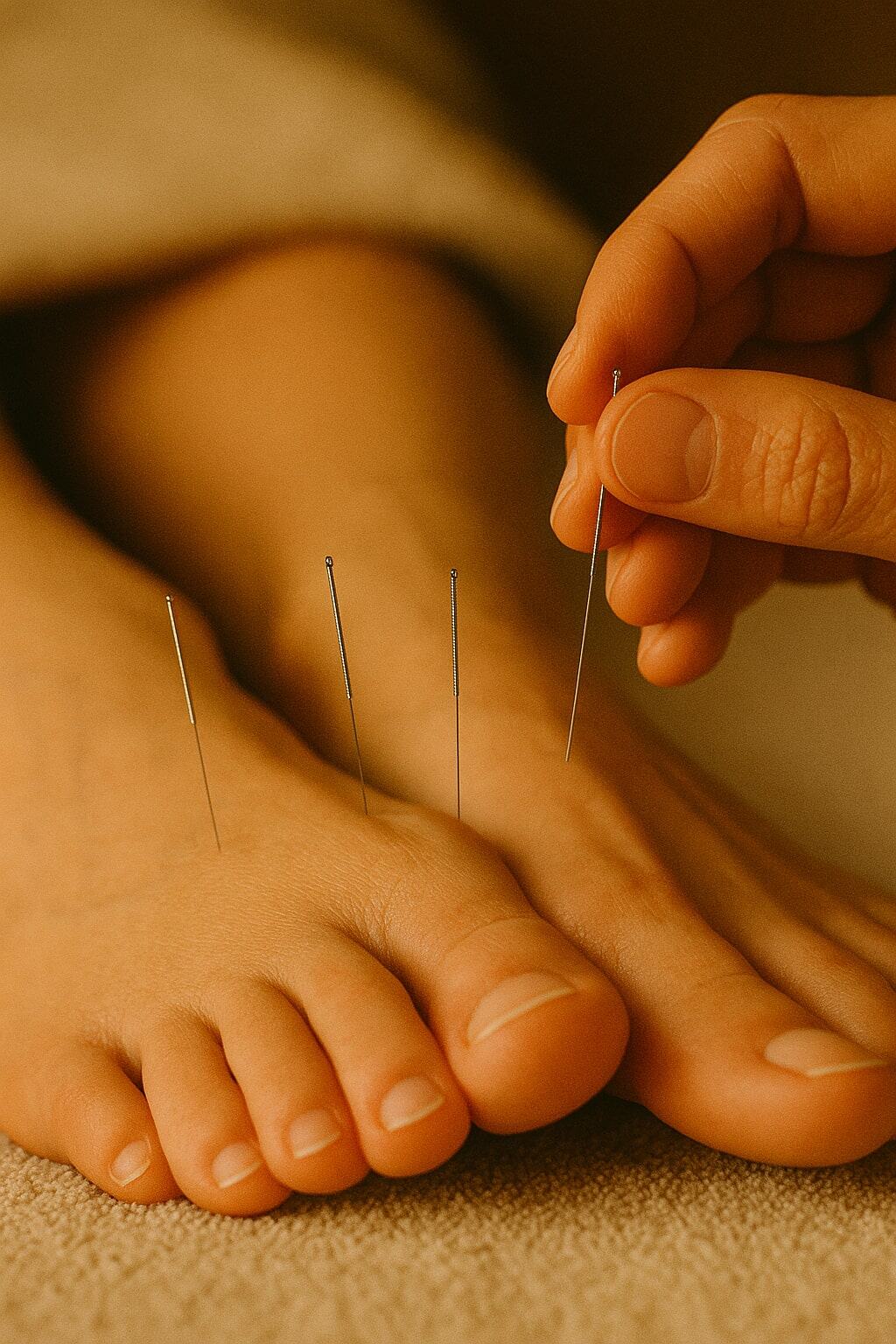
Retinitis pigmentosa is one of the three main ocular conditions addressed with acupuncture, along with age-related macular degeneration and glaucoma. Patients with retinitis pigmentosa can expect to recover varying degrees of visual field. It should be kept in mind that each case is different; therefore, results will vary from patient to patient. Vision tests performed by ophthalmologists and optometrists will notably allow for measurement of condition progression.
TCM Clinical Strategy
After approximately 10 acupuncture sessions, any objective improvements can be determined by vision tests. Patients will generally notice improvement in visual field, color appreciation, contrast, sharpness, dark adaptation, and night vision. It is generally recommended to continue treatments in series until no further improvement is observed.
The pilot study published in 2014 by Ava K Bittner et al. demonstrates that acupuncture, when administered by a duly qualified acupuncturist, could have significant and measurable benefits on residual visual function in patients with retinitis pigmentosa.
Age-Related Macular Degeneration (AMD)
AMD is a major cause of irreversible blindness. This ocular condition affects 1.4 million Canadians, making it the leading cause of vision loss in people over 50 years of age.
AMD is the progressive deterioration of macula cells. The macula is the area composed of visual photoreceptors called "cones" which, when exposed to light, enable visual precision, color vision, and daytime vision, while also contributing to vision quality in the center of the visual field.
Dry Type and Wet Type
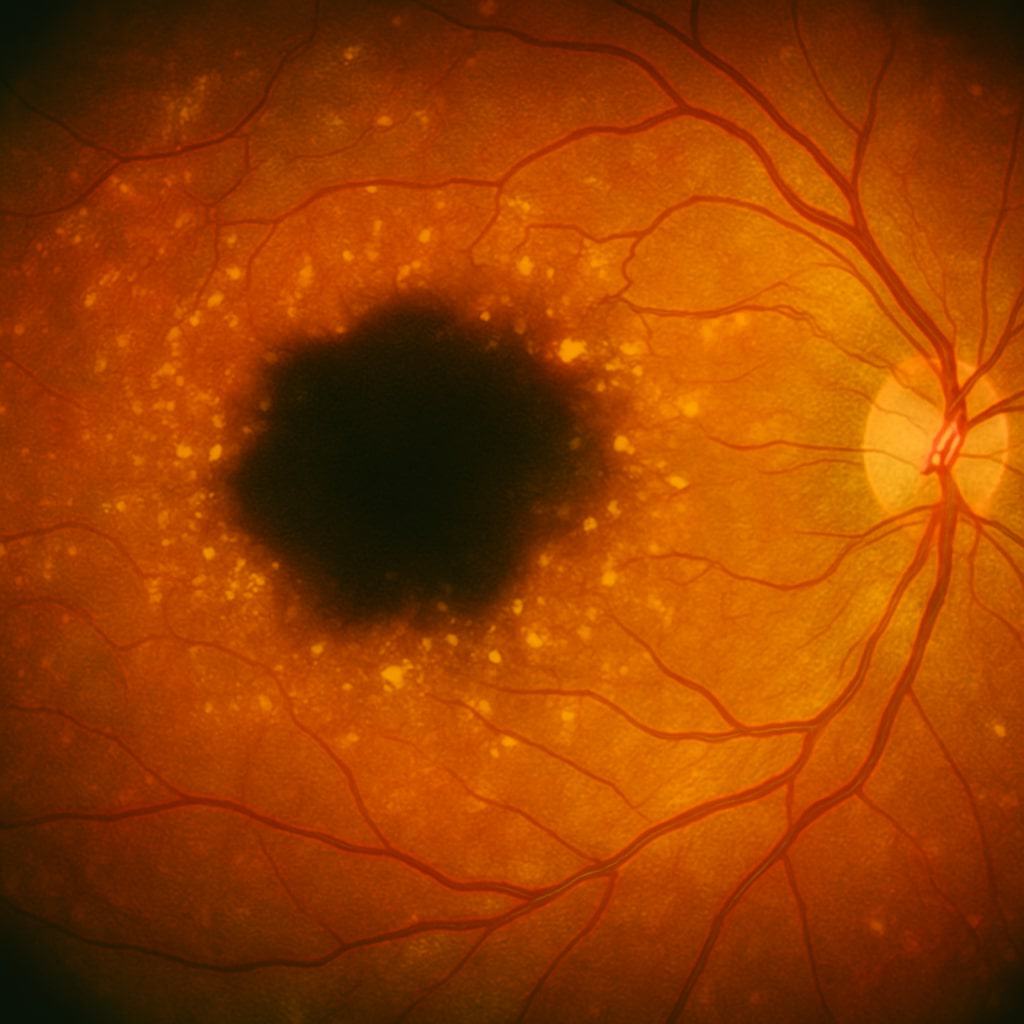
There are two types of AMD: wet and dry. 90% of people with AMD present the dry type, characterized by small spots that form under the macula. These spots slowly damage macula cells, and this is how vision loss progresses in these patients.
It appears that approximately 10% of people with dry AMD progress to a more serious disease called wet AMD. In these cases, abnormal blood vessels begin to develop toward the macula in an attempt to supply it with blood.
These new vessels are often fragile and can leak or even cause hemorrhage. The blood and fluids that escape from these vessels can be highly damaging to the macula, resulting in rapid and severe vision loss. Chinese medicine seeks to repair the integrity of the entire structure and can be very effective for this.
TCM Paradigm
According to Chinese medicine assessment, AMD can present in different forms, but most often, one might see weakness of the spleen-pancreas with liver congestion. According to Dr. Rosenfarb's work, integrative approaches in Chinese medicine finally provide hope to patients with AMD. The function of the spleen-pancreas in Chinese medicine is associated with the ability to retain blood in vessels, while capillary elasticity—the smallest blood vessels in the human body—relates to normal liver function.
The randomized clinical trial published by Nai-jun Jiao in 2011 highlights the efficacy of acupuncture in treating clinical symptoms of age-related macular degeneration as well as its superior efficacy compared to vitamins and medication injections.
The clinical trial published by Weijie Yang et al. in 2018 reaches similar conclusions. Furthermore, according to the authors, acupuncture can treat macular edema, significantly improve vision and quality of life. The magnitude of treatment effect would be more significant when the condition is addressed promptly. These authors also argue that acupuncture is superior to pharmaceutical injections, used as a comparison in this clinical trial.
Patients can therefore expect improvement in quality of life and vision following acupuncture treatments targeting AMD.
Glaucoma
Open-Angle Glaucoma
More than 250,000 Canadians are affected by chronic open-angle glaucoma, and many people remain undiagnosed. This ocular condition is another progressive condition that can go unnoticed until vision loss occurs. There is no associated pain, and visual acuity is generally not affected. Gradually, peripheral vision loss is observed in these patients.
Vision loss in glaucoma patients is often due to optic nerve damage. An increase in intraocular pressure from aqueous humor (the clear fluid that circulates in the eye between the lens and cornea) is often the source of these nerve injuries. In a healthy eye, fluid drains into the bloodstream at a steady rate. In this condition, the fluid does not drain, and the accumulating pressure damages the optic nerve, resulting in vision loss.
Risk-Benefit Analysis
According to Dr. Rosenfarb, as long as intraocular pressure is not dangerously elevated, it is much wiser to try the less invasive procedures offered by traditional Chinese medicine. If these do not work, there is always conventional medicine to fall back on. This is a risk-benefit calculation. If there is no urgency, why not prioritize an approach without side effects, such as acupuncture, before resorting to invasive procedures? This calculation should be made by the patient and their healthcare professional team. However, follow-up must be ensured from the start by the ophthalmologist and optometrist.
TCM Paradigm
The randomized controlled trial by Shu-Yuan Chen published in 2020 suggests that acupuncture and electroacupuncture would be beneficial in reducing intraocular pressure in glaucoma patients. Intraocular pressure measurement must thus be monitored as prescribed by the ophthalmologist and optometrist.
Normal-Tension Glaucoma
In this ocular condition, the optic nerve is damaged even though the pressure in the eye is not very elevated. Researchers do not know why the optic nerves of some people are damaged even when they have nearly normal pressure levels.
The causes of normal-tension glaucoma remain unknown to conventional medicine. For some reason, the optic nerve is susceptible to damage even from normal ocular pressure.
Optic Nerve Atrophy
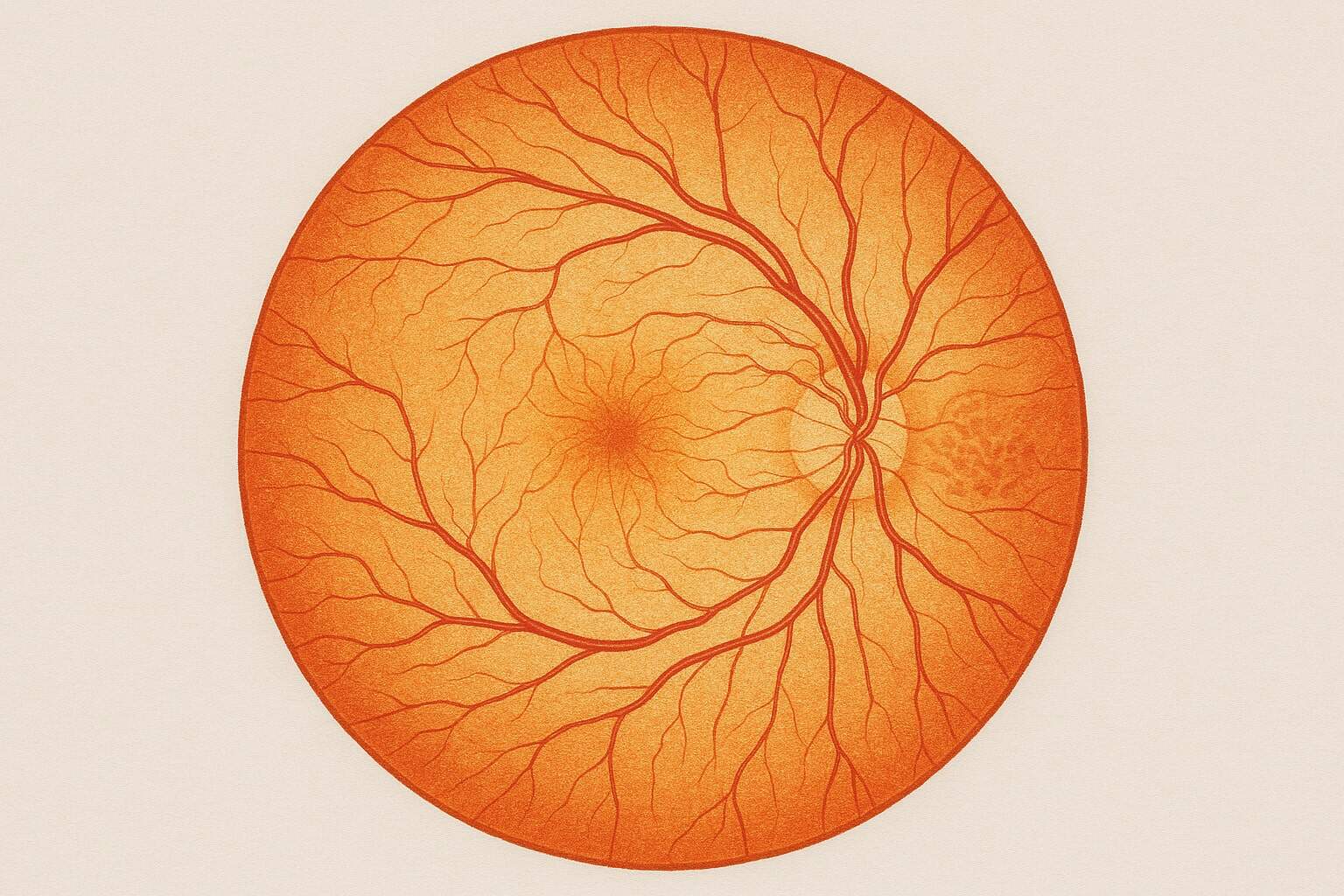
Optic nerve atrophy is destruction of the optic nerve fibers. When the optic nerve atrophies, the nerve fibers weaken and their functions are affected. The degree of atrophy and vision loss varies from person to person and can affect one eye or both eyes. The cause may be hereditary or secondary to a pre-existing neurological disorder. Unfortunately, this condition could also result from medical errors.
Reactivation of Optic Nerve Cells
Chinese medicine is an excellent way to "reactivate" optic nerve function and restore ocular function. Patients would manage exceptionally well with this condition when treated according to traditional Chinese medicine principles. Micro-acupuncture is exceptionally effective in this condition, generally strengthening nerve fibers and nerve conduction, thereby considerably improving vision, sometimes allowing hope for a return to normal or near-normal function. Such dramatic results are less likely when atrophy is caused by medical errors, due to trauma inflicted on the eye or both eyes.
TCM Paradigm
In Chinese medicine, this condition is most often a deficiency of Qi (氣), blood, and Yang. Although patients receiving acupuncture care targeting optic nerve atrophy generally respond within a reasonable timeframe—10 to 30 treatments—reconstruction can take months or even years.
Acupuncture has demonstrated the capacity to increase nerve growth factor. The clinical trial by Mei-Qin He et al. published in 2022 demonstrated improved visual acuity and increased choroidal thickness in patients with optic atrophy.
In some patients presenting optic nerve damage, acupuncture treatments may allow patients to expect to see function and visual acuity improve.
Usher Syndrome
Usher syndrome is a hereditary disease characterized by congenital deafness coupled with retinitis pigmentosa, resulting in progressive vision loss. Compared to the other ocular conditions mentioned, Usher syndrome is reasonably challenging and may take considerable time before obtaining results.
In Chinese medicine, all genetic disorders indicate a weakness of kidney essence—Jing (精)—and acupuncture treatment would therefore involve conditioning of renal functions. Associated improvements will be more conservative. Traditional Chinese medicine at least appears to halt the progression of vision loss. This is often the case with many congenital diseases; traditional Chinese medicine could slow or stop symptom progression, which is why it is preferable to begin treatment as soon as possible.
Acupuncture can help you.
Book Appointment