️St. John's Wort, Hypericum Perforatum, Three Names for a Plant with Countless Virtues
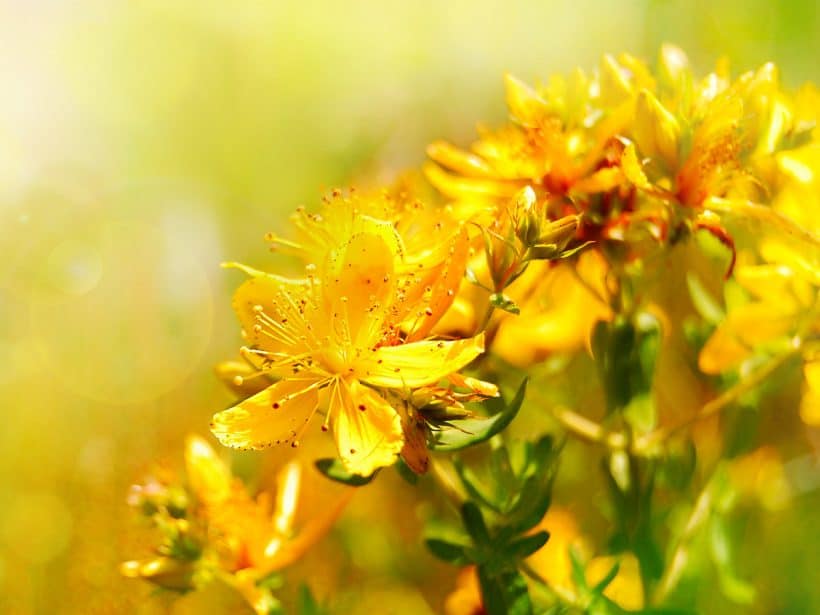
St. John's Wort and the Treatment of Depression
St. John's wort, used as a mother tincture or herbal infusion, is a traditional remedy in the treatment of depression. The beautiful flowers of the plant are harvested around the summer solstice, which is the origin of one of its names—St. John's herb. Folklore attributed particular magical powers to it, allowing demons and ghosts to be driven away, protecting pure souls, and exorcising the possessed—the flowers would need to be harvested during the night of the summer solstice for this purpose.
♂️St. John's Wort According to Traditional Chinese Medicine (TCM)
Traditional Chinese Medicine classifies medicinal plants and foods according to their nature, flavor, their tropism for certain organs and meridian systems, as well as their specific properties. St. John's wort is classified as a plant of neutral nature, with a sour taste and slightly sweet, having tropism for the heart meridian (心经), kidney meridian (肾经), and liver meridian (肝经) systems. (1)
Evidence Supporting the Treatment of Depression Using St. John's Wort
St. John's wort is one of the medicinal plants that has been most investigated by the scientific method. Hypericin—the active agent of Hypericum Perforatum—would act as a mild inhibitor of the enzyme monoamine oxidase (MAOI) (1.1), competing for a status similar to standard antidepressant treatments (2)
A meta-analysis published in 2017 in the Journal of Affective Disorders, involving a total of 27 clinical studies encompassing 3,808 patients, concluded that St. John's wort would have efficacy comparable to SSRIs, with better treatment retention by patients than SSRI-type antidepressants, for the treatment of mild to moderate depression. (3)
Clinical trials have demonstrated that St. John's wort and its active ingredients—hypericin and hyperforin—would present fewer side effects than SSRIs. Thus, St. John's wort would exert a powerful antidepressant effect and would represent an effective and safe treatment. According to Zirak et al., the current state of knowledge—as of 2018—regarding St. John's wort does not allow for robust conclusions regarding the treatment of other psychiatric or neurodegenerative disorders. (3.1)
Bad Times at the El Royale, 2018, 20th Century Fox
There would actually be several active agents in St. John's wort. Hyperforin would be a non-specific inhibitor, affecting the reuptake of serotonin, dopamine, noradrenaline, GABA, and L-glutamate (4)
St. John's wort would produce a shift in the emotional processing process of healthy subjects similar to antidepressants, for example by reducing the recognition of disgust facial expressions and attention to fear facial expressions, while increasing memory for positive words. (5)
Changes in cortical plasticity have been observed even after a single dose of the medicinal substance administered to healthy subjects. (11)
⚕️Other Potential Therapeutic Applications of St. John's Wort
Although its antidepressant properties are those that have been most studied, St. John's wort would present a multitude of other potential therapeutic avenues. Indeed, this plant would be subject to a range of therapeutic targets. The extract would be antimicrobial, antifungal, antiviral, but would also present anti-tumor, anti-proliferative, anti-invasive, anti-metastatic, and anti-angiogenic activity. (6)
Antioxidant, anti-inflammatory, pain-relieving properties as well as the particular ability to heal wounds have been attributed to Hypericum perforatum. (7)
Finally, St. John's wort would also present neuroprotective properties. (2)
⚗️The Quality of the Extract Chosen Would Matter
A study with limited sampling—composed of 60 subjects—would have highlighted that a multi-fractionated extract would present better clinical results in depressed subjects. The extract studied would have presented 2 times more efficacy than a standard extract. (9)
St. John's Wort Should Not Be Combined with Medications
As a precaution, it is not recommended to mix supplements or medicinal plants with medications. This is particularly important in the case of St. John's wort and antidepressants. Patients who make the mistake of combining St. John's wort with these medications would end up consuming 2 antidepressants at the same time, which could cause dangerous interactions for the patient. Medicinal plants should not be mixed with each other either without obtaining the advice of a healthcare professional, as some combinations are recognized for their undesirable interactions.
Avoid using St. John's wort during pregnancy or breastfeeding and also avoid mixing this plant with hormonal contraception methods.
St. John's Wort Can Be Combined with Acupuncture Treatments
Corrective acupuncture treatments, which target an internal imbalance, are often combined with a prescription of specific foods or specific medicinal plants. St. John's wort would be recommended only if the patient's constitution is likely to benefit from this medicinal plant. It is not in all cases that medicinal plants are combined with acupuncture treatments.
Preliminary data from a murine model demonstrated that the effect of acupuncture combined with St. John's wort extract would be more marked on the modulation of cortical microcirculation than St. John's wort alone. (10)
The hypericin in St. John's wort can make one more sensitive to light. It is said to be a photosensitizing agent. It is interesting to note that different photosensitizing agents can be used to catalyze the effect of laser acupuncture treatments. Dr. M. H. Weber, who works with several different wavelengths, includes specific photosensitizing agents for certain laser acupuncture protocols: i.e. curcumin, chlorella, chlorophyll, spirulina, etc.
Other applications of this property of St. John's wort in relation to light sensitization in living organisms have made it possible to demonstrate the anticancer activity of hypericin in photodynamic therapy.
Depression and Acupuncture
Acupuncture is considered to be a therapeutic intervention that can provide potential beneficial effects in the treatment of depression. (11.1) Acupuncturists in Quebec are effective, cost-efficient, and safe healthcare professionals. Acupuncture is beneficial in the treatment of depression as well as seasonal depression.
Depressed patients who are being treated with acupuncture in Quebec are encouraged to undertake psychotherapy concurrently with acupuncture intervention.
Are There Other Medicinal Plants That Have Demonstrated Similar Properties?
Yes, turmeric and saffron —Crocus Sativus— ! According to Tóth et al., saffron would be significantly superior to placebo in the treatment of mild to moderate depression and non-inferior to serotonergic antidepressants—SSRIs— (i.e. fluoxetine, citalopram) (12)
>
High-quality evidence exists for the use of kava (Piper methysticum), passion flower (Passiflora spp.), and Galphimia glauque (Galphimia glauca) in anxiety disorders, as well as St. John's wort (Hypericum perforatum), saffron (Crocus sativus) for depressive states. Other medicinal plants also present encouraging preliminary data in the treatment of depression, mood disorders, as well as integrative treatment of schizophrenia, respectively turmeric (Curcuma longa), ashwagandha (Withania Somnifera) and ginkgo (Ginkgo biloba) (13)
-Jerome Sarris
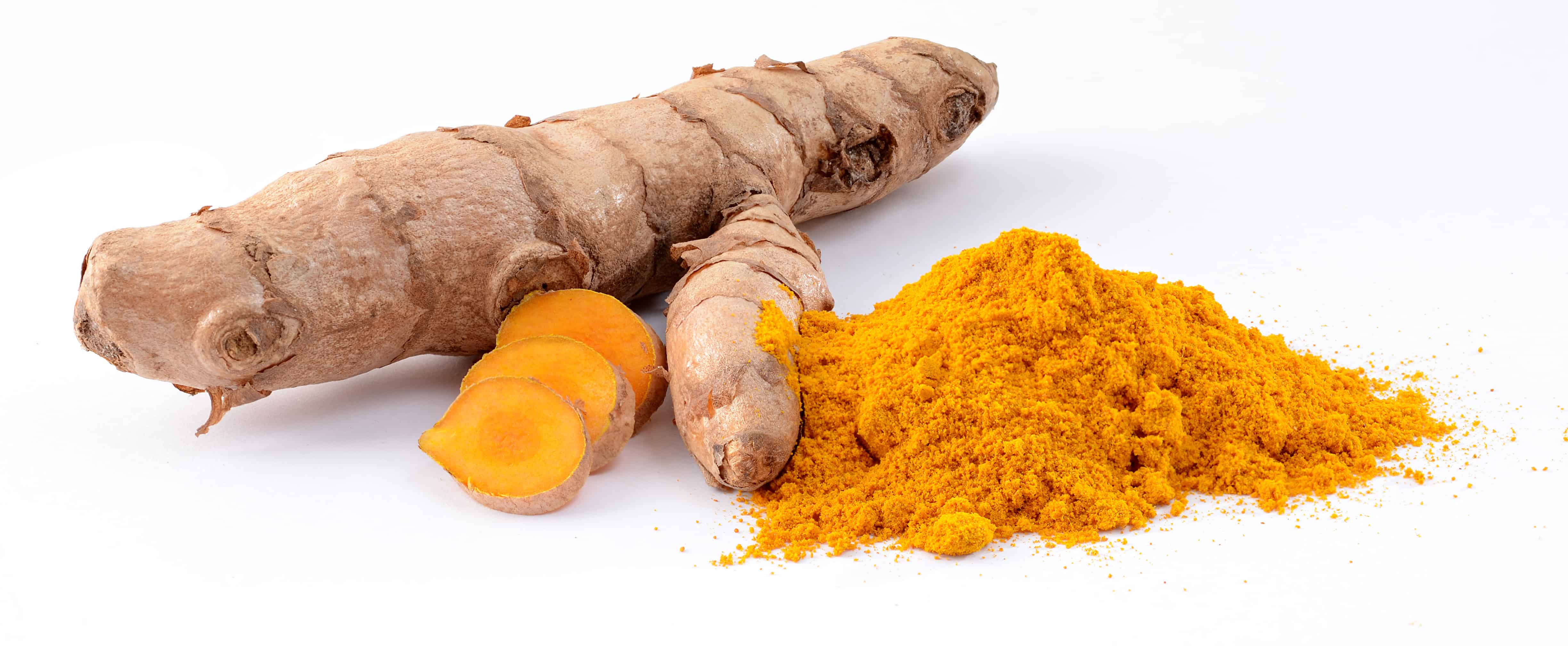 *Curcuma Longa Simon A. Augster*
Before starting, stopping, or modifying a treatment, be sure to consult with a healthcare professional.
✍ABOUT THE AUTHOR
Olivier Roy, Acupuncturist. As of 2019, Olivier Roy has 15 years of experience as a healthcare professional. The last 13 years have been dedicated to clinical acupuncture practice, including obstetric acupuncture, pediatric acupuncture, acupuncture within fertility protocols, acupuncture for sports performance, acupuncture in injury rehabilitation for professional athletes, as well as those who do it in their living room, retirees who have decided to remain active, and also travelers, who came from far away to find Quebec expertise in acupuncture. Olivier Roy maintains a busy practice in Montreal and also regularly administers acupuncture treatments to patients in hospital settings.
REFERENCES
(1) Combining Western Herbs And Chinese Medicine, Principles, Practice & Materia Medica, Jeremy Ross, Greenfields Press, Seattle, 2003
(1.1) Monoamine Oxidase-A Inhibition and Associated Antioxidant Activity in Plant Extracts with Potential Antidepressant Actions, Biomed Res Int. 2018; 2018: 4810394.Published online 2018 Jan 15. doi: 10.1155/2018/4810394PMCID: PMC5820675PMID: 29568754, Tomás Herraiz and Hugo Guillén
(2) Neuroprotective Activity of Hypericum perforatum and Its Major Components, Frontiers in Plant Science, 2016; 7: 1004.Published online 2016 Jul 11. doi: 10.3389/fpls.2016.01004PMCID: PMC4939296PMID: 27462333 Ana I. Oliveira et al.
(3) Clinical use of Hypericum perforatum (St John's wort) in depression: A meta-analysis, Journal of Affective Disorders, Volume 210, 1 March 2017, Pages 211-221 Review article, Qin Xiang Ng et al.
(3.1) Hypericum perforatum in the treatment of psychiatric and neurodegenerative disorders: Current evidence and potential mechanisms of action, Journal of Cellular Physiology, Review Article, November 2018, Nahid Zirak https://doi.org/10.1002/jcp.27781
(4) Hyperforin as a possible antidepressant component of hypericum extracts, Life Sciences,Volume 63, Issue 6, 3 July 1998, Pages 499-510 S.S.Chatterjee et al.
(5) Subchronic treatment with St John's wort produces a positive shift in emotional processing in healthy volunteers, Journal of Psychopharmacology, November 28 2018, Matthew B Warren et al.
(6) Hostanska et al., 2003; Schwarz et al., 2003; Dona et al., 2004; Martarelli et al., 2004; Gartner et al., 2005; Martinez-Poveda et al., 2005a; Rothley et al., 2009
(7) Motallebnejad et al., 2008; Suntar et al., 2010(
(9) Role in depression of a multi-fractionated versus a conventional Hypericum perforatum extract, Panminerva Medica 2018 December;60(4):156-60 DOI: 10.23736/S0031-0808.18.03518-8 l Francesco DI PIERRO et al. Department of Scientific Research and Development, Velleja Research, Milan, Italy; Department of Health Sciences, University of Genoa, Genoa, Italy; Polyclinic of Bari, Bari, Italy
(10) Influence of electroacupuncture plus intragastric administration of extract of hypericum perforatum L on ethology and brain microcirculation in depression rats, Zhen Ci Yan Jiu. 2011 Jun;36 (3):164-70 Yu B et al.
(11) Hypericum perforatum extract modulates cortical plasticity in humans, Psychopharmacology, January 2018, Volume 235, Issue 1, pp 145–153, Carmen Concerto et al.
(11.1) The Acupuncture Evidence Project: A Comparative Literature Review, January 2017, 978-0-9954289-3-5, Australian Acupuncture and Chinese Medicine Association Ltd, John McDonald, Stephen Janz
(12) The Efficacy of Saffron in the Treatment of Mild to Moderate Depression: A Meta-analysis, Biological and Pharmacological Activity, Original Papers Georg Thieme Verlag KG Stuttgart · New York, Planta Med 2019; 85(01): 24-31 DOI: 10.1055/a-0660-9565, Barbara Tóth et al.
(13) Herbal medicines in the treatment of psychiatric disorders: 10‐year updated review, Jerome Sarris. Phytotherapy Research, First published: 25 March 2018 https://doi.org/10.1002/ptr.6055
All rights reserved ©2019 Olivier Roy, Acupuncturist
Acupuncture can help you.
Book Appointment