
*
Frozen Shoulder and Acupuncture: Efficacy, Costs and Treatment Methods
Introduction and Prevalence
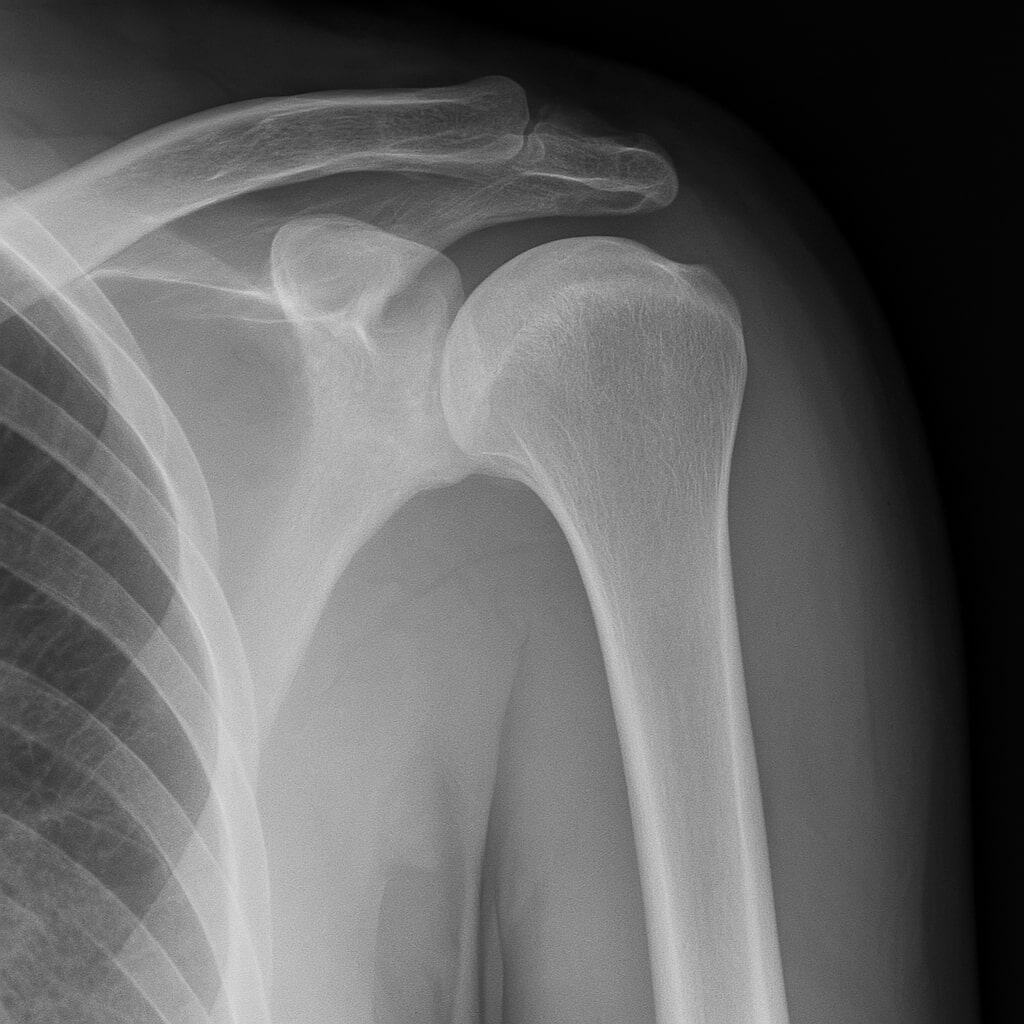
First, frozen shoulder, or adhesive capsulitis, (frozen shoulder) is a musculoskeletal condition. This affects 2 to 5% of the adult population in Canada. Furthermore, especially people aged 40 to 70 years (1). It is characterized by persistent pain and shoulder stiffness. This significantly limits joint movement.
First, from the perspective of Traditional Chinese Medicine (TCM), frozen shoulder is often interpreted as stagnation in the circulation of blood and bioelectricity (qi) in the shoulder joint. In particular, the Large Intestine meridian, Lung meridian, and Gallbladder meridian are often affected. Pain may also result from an accumulation of cold and dampness, which worsens joint stiffness (2).
Also, this condition can have significant economic and social consequences. Indeed, with indirect costs related to work absences and loss of productivity. In Canada, direct healthcare costs related to frozen shoulder include various expenses. Overall, medical consultations, physical rehabilitation sessions, and medications, which total in the millions of dollars per year (3).
Frozen Shoulder and Acupuncture: Demonstrated Efficacy
On this matter, acupuncture has emerged as a promising therapeutic option for frozen shoulder. Furthermore, clinical studies show that acupuncture can reduce pain, in addition to improving range of motion.
How? Since biostimulation of specific points unlocks and strengthens circulation in the shoulder region (4). Moreover, a 2020 meta-analysis revealed that acupuncture is more effective than usual care (physical rehabilitation and/or anti-inflammatory treatment) for reducing pain, as well as improving function in patients with adhesive capsulitis (5).
Frozen Shoulder and Acupuncture: A Safe Approach
Similarly, electroacupuncture treatments, which combine needle acupuncture with low-intensity electrical microcurrents, have also shown encouraging results. Because they improve functional recovery more quickly than manual acupuncture alone (6). As for laser acupuncture therapy, performed with low-level infrared radiation (LLLT), often used in combination with acupuncture, this has demonstrated benefits for reducing inflammation and promoting regeneration of damaged tissues (7). Thus, it is an emerging modality, with promising results for musculoskeletal conditions.
Note that these treatments are considered safe, with few side effects reported in the literature. Minor reactions may include slight local bruising at the treatment site or a sensation of fatigue after the session (8).
Clinical Recommendations and Treatment Methods
Although no international guidelines currently recommend acupuncture alone for frozen shoulder, this approach is increasingly used in clinical practice, integrated into multidisciplinary protocols that also include physical rehabilitation, massage, and mobilization exercises (9). According to TCM, treatment often involves the use of points such as Jianyu (LI-15), Jianjing (GB-21), and Tianzong (SI-11). These points are located around the shoulder and along the affected meridians (10).
That said, the typical treatment dose consists of a series of 10 to 15 sessions. These are performed at a rate of 2 to 3 sessions per week for acute cases. For chronic conditions, more prolonged treatment may be necessary. This can extend to 20 sessions (11). Acupuncture is often combined with other approaches such as deep tissue massage or mobilization exercises. This improves flexibility and accelerates recovery (12).
Emerging Data and Risk Reduction

In this regard, recent research in the field of integrative medicine is positive. It demonstrates that acupuncture, when used in conjunction with other therapies, can reduce pain and restore function. Similarly, acupuncture can prevent symptom aggravation and even reduce the need for invasive treatments such as surgery (13). The current level of evidence is therefore encouraging (14).
Cost-Effectiveness
Although no specific economic studies on frozen shoulder exist at the time of writing this article, acupuncture could prove cost-effective in the long term, particularly if it helps reduce prolonged treatments and pain medications. For similar problems such as low back pain or knee osteoarthritis, research has shown that acupuncture can improve outcomes while costing less than conventional care in the long term (15).
Conclusion
In conclusion, acupuncture, particularly electroacupuncture and LLLT (laser acupuncture), proves to be an effective and safe approach for the treatment of frozen shoulder. As we have seen, its benefits include significant pain reduction and improved mobility, while being cost-effective compared to conventional care. Furthermore, combination with other therapies would amplify its effects. This makes it an essential treatment option in the management and recovery of this condition.
References
- Hanchard N, Goodchild L, Thompson J, O'Brien T, Davison D. Evidence-based clinical guidelines for the diagnosis, assessment and physiotherapy management of contracted (frozen) shoulder. Physiotherapy*. 2011;97(1):1-18.
- Maciocia G. The Channels of Acupuncture: Clinical Use of the Secondary Channels and Eight Extraordinary Vessels. London: Churchill Livingstone; 2006.
- Razmjou H, Bean A, MacDermid JC, van Osnabrugge V, Travers N, Holtby R. Frozen shoulder: Comparison of oral corticosteroid and physical therapy with or without intra-articular corticosteroid injection. J Shoulder Elbow Surg. 2021;30(6):1152-1159.
- Zhao L, Chen J, Li Y, et al. The efficacy of acupuncture for the treatment of frozen shoulder: a meta-analysis. J Manipulative Physiol Ther. 2020;43(5):472-481.
- Wu J, Hu J, Tian J, et al. Electroacupuncture improves shoulder joint pain in frozen shoulder patients: A randomized controlled trial. J Pain Res. 2019;12:2031-2039.
- Tough EA, White AR, Cummings TM, Richards SH, Campbell JL. Acupuncture and dry needling in the management of myofascial trigger point pain: A systematic review and meta-analysis of randomized controlled trials. Eur J Pain. 2009;13(1):3-10.
- Huang Z, Ma J, Chen J, Shen B, Pei F, Kraus VB. The effectiveness of low-level laser therapy for nonspecific chronic low back pain: A systematic review and meta-analysis. Arthritis Res Ther. 2015;17(1):360.
- Vickers AJ, Linde K. Acupuncture for chronic pain. JAMA. 2020;323(10):940-941.
- Nelson ML, Simons DG. Treatment of myofascial pain syndromes triggered by acute frozen shoulder. Arch Phys Med Rehabil. 2002;83(10):1401-1405.
- Deadman P, Al-Khafaji M. A Manual of Acupuncture. Journal of Chinese Medicine Publications; 2007.
- Cheng X. Chinese Acupuncture and Moxibustion. Beijing: Foreign Languages Press; 2012.
- MacPherson H, Vertosick EA, Foster NE, et al. The persistence of the effects of acupuncture after a course of treatment: a meta-analysis of patients with chronic pain. Pain. 2017;158(5):784-793.
- Wong JJ, Côté P, Sutton DA, Randhawa K, Yu H, Varatharajan S, et al. Clinical practice guidelines for the management of conditions related to the shoulder pain. J Manipulative Physiol Ther. 2021;44(6):435-445.
- Zhang R, Lao L, Ren K, Berman BM. Mechanisms of acupuncture-electroacupuncture on persistent pain. Anesthesiology. 2014;120(2):482-503.
- Pittler MH, Ernst E. Complementary therapies for osteoarthritis: A systematic review. Rheumatology (Oxford). 2006;45(3):253-259.
Acupuncture can help you.
Book Appointment